

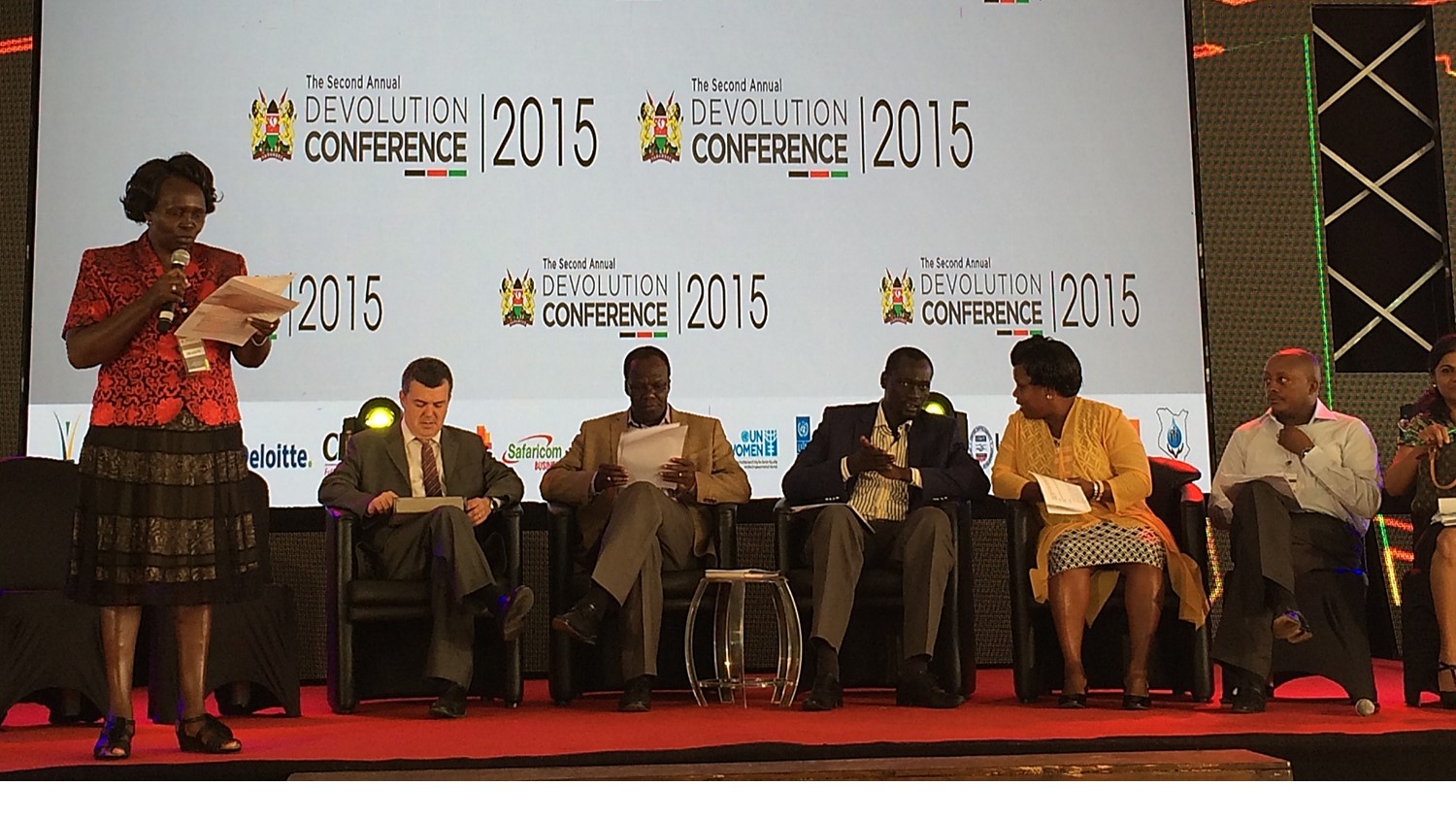
Kenyan Devolution: Transforming Communities, One County at a Time
In 2010, Kenya took a bold step into a new era. Through a popular vote, Kenyans overwhelmingly endorsed a Constitution that reimagined how power and resources flow in the country. At the heart of this transformation was devolution—a promise to take decision-making out of Nairobi boardrooms and into the hearts of local communities.
Why Devolution Matters
For decades, many regions in Kenya felt left behind. From arid counties struggling with drought to remote villages lacking basic infrastructure, centralized governance often meant uneven development. Devolution set out to fix that by:
- Bringing services closer to the people
- Giving communities a voice in their own development
- Reducing historical inequalities
By creating 47 counties, each with an elected leadership, Kenya hoped to unlock local potential and empower citizens to chart their own progress.
What Has Changed So Far?
Devolution has made visible and meaningful impacts in many parts of the country:
🌿 Better Healthcare Access
County governments have invested in new health centers, ambulances, and medical equipment. Mothers can now deliver safely closer to home, and more people can access treatment without traveling long distances.
🏗️ Infrastructure Development
Counties have upgraded roads, built markets, and improved water access. In places where dirt roads once turned into muddy rivers during rainy seasons, tarmacked roads now connect farmers to buyers and children to schools.
🌱 Economic Empowerment
By funding youth and women’s programs, offering agricultural support, and promoting local businesses, counties are creating new economic opportunities.
🤝 Increased Civic Engagement
Ordinary citizens are no longer just passive recipients of government services—they’re part of the planning and budgeting process. Public participation has become a constitutional right and a vibrant expression of democracy.
The Hurdles Along the Way
Like any big reform, devolution has faced its share of setbacks:
🚨 Corruption
Some counties have struggled with mismanagement of funds, leading to stalled projects and public frustration.
⚙️ Limited Capacity
Many county governments are still building the technical skills and systems needed for efficient service delivery.
💰 Funding Disagreements
Budget allocations between national and county governments can trigger disputes, delaying crucial services.
🔄 Politics Over Development
Political rivalries sometimes overshadow the focus on development and accountability.
A Vision for the Future
Despite the challenges, devolution remains one of the most transformative changes in Kenya’s governance. Its success relies on strong institutions, citizen vigilance, and continuous capacity building.
Imagine what Kenya could look like in another decade if devolution reaches its full potential:
✅ A country where no region is left behind.
✅ Counties that are hubs of innovation, entrepreneurship, and inclusive growth.
✅ Communities empowered to solve their own challenges sustainably.
Your Role as a Citizen
Devolution isn’t just about leaders and laws. It’s about you. Whether you’re a farmer in Turkana, a business owner in Kisumu, a teacher in Makueni, or a youth leader in Nairobi, your voice matters.
Attend public forums. Demand accountability. Celebrate the wins. Speak out against waste. Support initiatives that uplift your community.
Together, Kenyans are proving that when governance is brought closer to the people, transformation is not only possible—it’s inevitable.
Conclusion
Kenyan devolution is still a work in progress, but it remains a powerful tool for equality, empowerment, and sustainable development. As we look to the future, the question is simple: How will you contribute to making your county—and your country—better for everyone?